
No products in the cart.
Shop all products
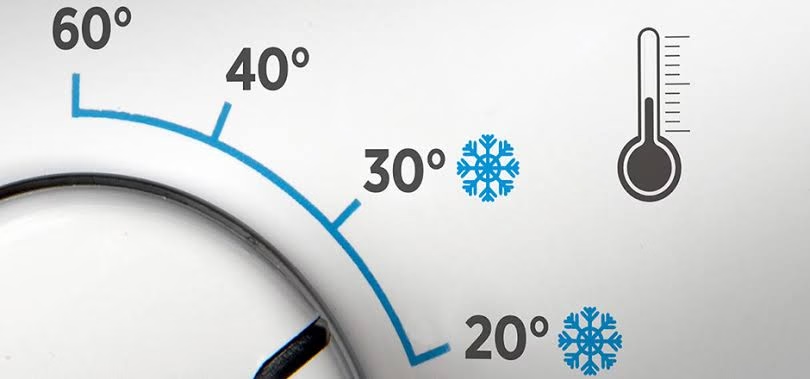
Cold water laundry detergent has become the go-to choice for households looking to cut energy bills, protect their clothes, and simplify wash day. But does washing in cold water actually get clothes clean, or is it a compromise? The short answer: with the right detergent, cold water can clean just as effectively as warm or hot water for most everyday loads. In this guide, we break down how cold water washing works, how to choose a detergent that performs at lower temperatures, and the situations where warm water still makes sense.
How Cold Water Laundry Detergent Actually Cleans Your Clothes
Modern detergents are formulated with enzymes and surfactants that are specifically engineered to activate in cold water. Surfactants reduce the surface tension of water so it can penetrate fabric fibers and lift away dirt and oil, while enzymes such as protease and amylase break down protein- and starch-based stains at the molecular level. These enzymes don’t need heat to work — many are formulated to be effective at temperatures as low as 60°F.
According to the American Cleaning Institute’s Cold Water Saves initiative, most everyday laundry — sweat, food residue, general dirt — comes out just as clean in cold water as it does in warm, provided you’re using a detergent designed for it. If you want to understand exactly what’s happening inside a detergent pod at the molecular level, our science breakdown covers how those enzymes and surfactants are packaged for consistent dosing.
Why Switch to Cold Water Washing?
Beyond convenience, there are three concrete reasons cold water washing has become standard advice from appliance makers and cleaning experts alike:
- Energy savings: Water heating accounts for about 90% of the energy a washing machine uses per cycle, according to ENERGY STAR. Switching from hot to cold water can meaningfully lower your utility bill over a year of laundry loads.
- Fabric protection: Heat breaks down elastic fibers and weakens certain textiles over repeated washes. Cold water is gentler, which means less stretching, shrinking, and general wear.
- Color protection: Hot water accelerates dye loss, causing colors to fade and dark fabrics to look washed out faster. Cold water keeps colors truer for longer, especially on dark denim and printed garments.
How to Choose the Best Detergent for Cold Water
Not all detergents are created equal when the dial is set to cold. Look for these features when choosing a cold-water detergent:
- Cold-activated enzymes — check the label for enzymes formulated to work below 60°F.
- Pre-measured pods or concentrated formulas — these dissolve fully and distribute evenly, which matters more in cold water since dissolution is slower than in warm water. If you’re deciding between formats, our comparison of laundry pods vs. liquid detergent walks through the tradeoffs.
- No reliance on heat-activated bleach alternatives — some whitening agents only work at higher temperatures, so check if brightness is a priority for your loads.
Safi Wash pods are formulated to fully dissolve and activate in cold water, so you get consistent cleaning power without needing to run a warm or hot cycle. You can see the full formulation details on our Why Safi page.
Cold Water Stain Removal: Tips That Actually Work
One common myth is that cold water can’t handle tough stains. In reality, for many stain types, cold water is the better choice — heat can actually set certain stains permanently into fabric.
- Protein-based stains (blood, sweat, egg): Always use cold water. Heat cooks the proteins into the fibers, making them nearly impossible to remove later.
- Pre-treat before washing: Rub a small amount of liquid detergent directly into the stain and let it sit for a few minutes before loading the machine.
- Oil and grease stains: These are the exception — a warmer wash (following the garment’s care label) helps break down grease more effectively.
For a full stain-by-stain breakdown, the American Cleaning Institute’s stain removal guide is a reliable reference. And if you’re prone to laundry-day slip-ups more generally, our post on common laundry mistakes covers a few other easy fixes.
When You Might Still Need Warm or Hot Water
Cold water isn’t the right call for every load. Consider warm or hot water for:
- Heavily soiled items like cloth diapers, gym towels, or bedding used during illness, where hygiene matters more than energy savings.
- Greasy or oily stains that need extra heat to break down.
- Care labels that explicitly call for warm or hot water — always defer to the garment tag.
Frequently Asked Questions
Does cold water really clean clothes as well as hot water?
For most everyday laundry — sweat, dirt, food residue — yes, when paired with a detergent formulated for cold water. Enzymes in modern detergents are designed to activate at lower temperatures, so you get comparable cleaning performance without the energy cost of heating water.
What temperature is considered cold water for laundry?
Cold water settings on most washing machines run between 60-80°F, drawing directly from your home’s cold water line. This is different from “cool,” which some machines mix slightly with hot water — check your machine’s manual if you want a true cold-only cycle.
Can I use laundry pods in cold water?
Yes, as long as the pod is formulated for cold-water use. Look for a label confirming cold-water effectiveness, and make sure the pod is placed directly in the drum before adding clothes so it has full contact with water for dissolving.
Does washing in cold water actually save money?
Yes. Since roughly 90% of a washing machine’s energy use goes toward heating water, switching most loads to cold can noticeably reduce your household energy bill over a year, especially in homes that do several loads per week.
The Bottom Line
Choosing the right cold water laundry detergent lets you cut energy costs, protect your fabrics and colors, and still get a genuinely clean wash for the vast majority of your laundry loads. The key is picking a formula built for cold-water activation rather than assuming any detergent will perform the same regardless of temperature. Ready to make the switch? Shop Safi Wash detergent pods and see how they perform on your next cold-water load.