
No products in the cart.
Shop all products
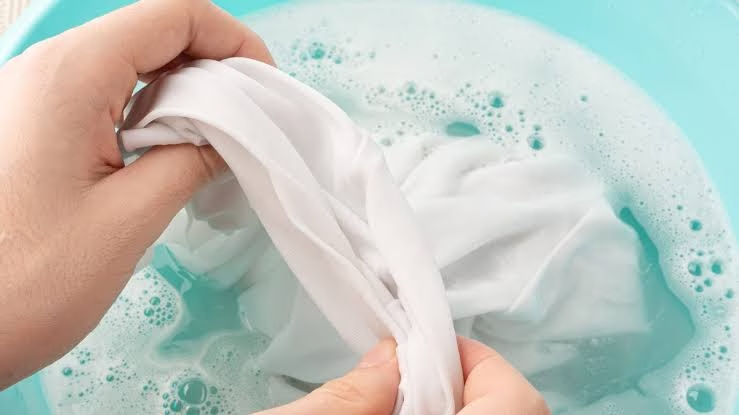
If your towels feel stiff, look dingy, or seem to repel water no matter how many times you wash them, you may have already heard of laundry stripping as the fix. The deep-cleaning method has gone viral for a reason: it can pull years of detergent, fabric softener, and mineral buildup out of fabric that a normal wash cycle just can’t touch. But laundry stripping isn’t something every load needs, and done the wrong way it can wear out fabric faster than it helps. Here’s what laundry stripping actually is, when it’s worth trying, how to do it safely, and how to cut down on the buildup that makes stripping necessary in the first place.
What Is Laundry Stripping?
Laundry stripping is a soaking method used after a normal wash to pull out residue that regular laundering leaves behind. According to the American Cleaning Institute (ACI), hard water minerals like calcium and magnesium can react with detergent to form a soap curd that clings to fibers, shows up as a dull or gray film, and stiffens fabric over time. The typical stripping method mixes borax, washing soda, and powdered laundry detergent in hot water, then soaks the laundry for several hours while gently agitating it until the water turns cloudy or discolored.
It’s a dramatic before-and-after, which is why it spreads so easily online. But it’s a deep-clean method, not a routine one — most laundry never needs it if buildup is kept in check from the start.
Signs Your Laundry Might Actually Need It
Not every dingy towel means you need to break out the washing soda. Laundry stripping is generally worth considering when you notice:
- Towels or cloth diapers that feel stiff or have lost their absorbency
- Water beading up and rolling off fabric instead of soaking in — a sign of detergent or softener film
- A faint musty or sour smell that returns shortly after washing, even with a fresh-scented detergent
- Visible gray or yellow discoloration on whites that doesn’t respond to normal washing
If you’re not seeing any of these, your regular wash routine is likely doing its job and stripping won’t add much.
How to Strip Laundry Safely at Home
What You’ll Need
A bathtub or large basin, hot water, borax, washing soda (sodium carbonate — not baking soda), and a powdered or liquid laundry detergent. ACI recommends a roughly 1:1:2 ratio of borax, washing soda, and detergent for a full tub of hot water.
Step-by-Step Process
- Fill a clean tub with the hottest water your fabrics can safely handle.
- Dissolve the borax, washing soda, and detergent completely before adding laundry.
- Submerge the items fully and stir gently every 30–60 minutes.
- Let everything soak for up to 4–6 hours, or until the water cools and looks visibly murky.
- Drain, rinse thoroughly, and run the items through a normal wash cycle before drying.
What Not to Strip
Consumer Reports cautions that laundry stripping isn’t appropriate for every fabric. Skip it for wool, silk, activewear with spandex, anything with flame-retardant or waterproof treatments, and dark or brightly dyed items that could fade or bleed in hot water over several hours. When in doubt, check the care label first.
What Causes the Buildup in the First Place?
Buildup rarely comes from one bad wash — it accumulates over months. The most common culprits are hard water minerals reacting with detergent (as ACI notes above), using more detergent than a load actually needs, and heavy fabric softener use, which coats fibers rather than rinsing cleanly away. We covered several of these habits in our post on common laundry mistakes that are ruining your clothes — overdosing detergent is one of the most frequent, since more soap doesn’t mean cleaner clothes, it usually just means more residue left behind to rinse out.
How to Reduce How Often You Need to Strip Your Laundry
The best way to deal with laundry stripping is to need it less often. A few habits make a real difference:
- Use the correct amount of detergent every time. Pre-measured pods take the guesswork out of dosing, which is exactly why we cover proper pod counts in how many laundry pods you should use. Safi Wash’s 4-in-1 pods are pre-measured per load, so there’s no eyeballing a cap of liquid detergent and accidentally pouring in more than the load needs.
- Wash at the temperature the care label actually recommends. Cold water isn’t the culprit behind buildup, but it does save energy — water heating accounts for around 90% of the energy a washer uses per ENERGY STAR. We go deeper on when cold water gets the job done in our cold water detergent guide.
- Go easy on fabric softener, especially on towels, where softener coatings reduce absorbency over time.
- Clean your washing machine periodically so residue isn’t being redeposited from the drum itself.
Frequently Asked Questions
How often should you strip laundry?
Most experts don’t recommend stripping on a regular schedule. It’s best used occasionally, only when you notice real signs of buildup like stiff towels or lingering odor. Doing it too often can be harder on fabric than the buildup itself, so treat it as an occasional deep clean rather than routine maintenance.
Is laundry stripping bad for your washing machine?
Laundry stripping is typically done in a tub or basin, not the washing machine, so it doesn’t put extra strain on the appliance. Just be sure to rinse items thoroughly and run a normal wash cycle afterward before drying, since leftover borax or washing soda residue can irritate skin.
Can I strip laundry directly in my washer?
It’s not recommended. The multi-hour soak that makes stripping effective isn’t something most washing machines are designed for, and prolonged exposure to washing soda and borax can affect certain machine components. A tub or basin gives you more control and is the method most cleaning experts describe.
Does using detergent pods reduce buildup compared to liquid detergent?
Pre-measured pods remove the guesswork of pouring liquid detergent, which is one of the easiest ways overdosing happens. Since consistent, correct dosing is a key factor in preventing residue buildup, pods can make it easier to avoid using more detergent than a load needs.
The Bottom Line
Laundry stripping can be a satisfying reset for towels, bedding, or workout gear that have picked up months of residue, but it’s a deep-clean tool, not a weekly habit. The better long-term fix is preventing buildup before it starts: the right amount of detergent, on the right cycle, every time. That’s exactly the problem pre-measured pods are built to solve — shop Safi Wash 4-in-1 detergent pods and skip the guesswork on your next load.