
No products in the cart.
Shop all products
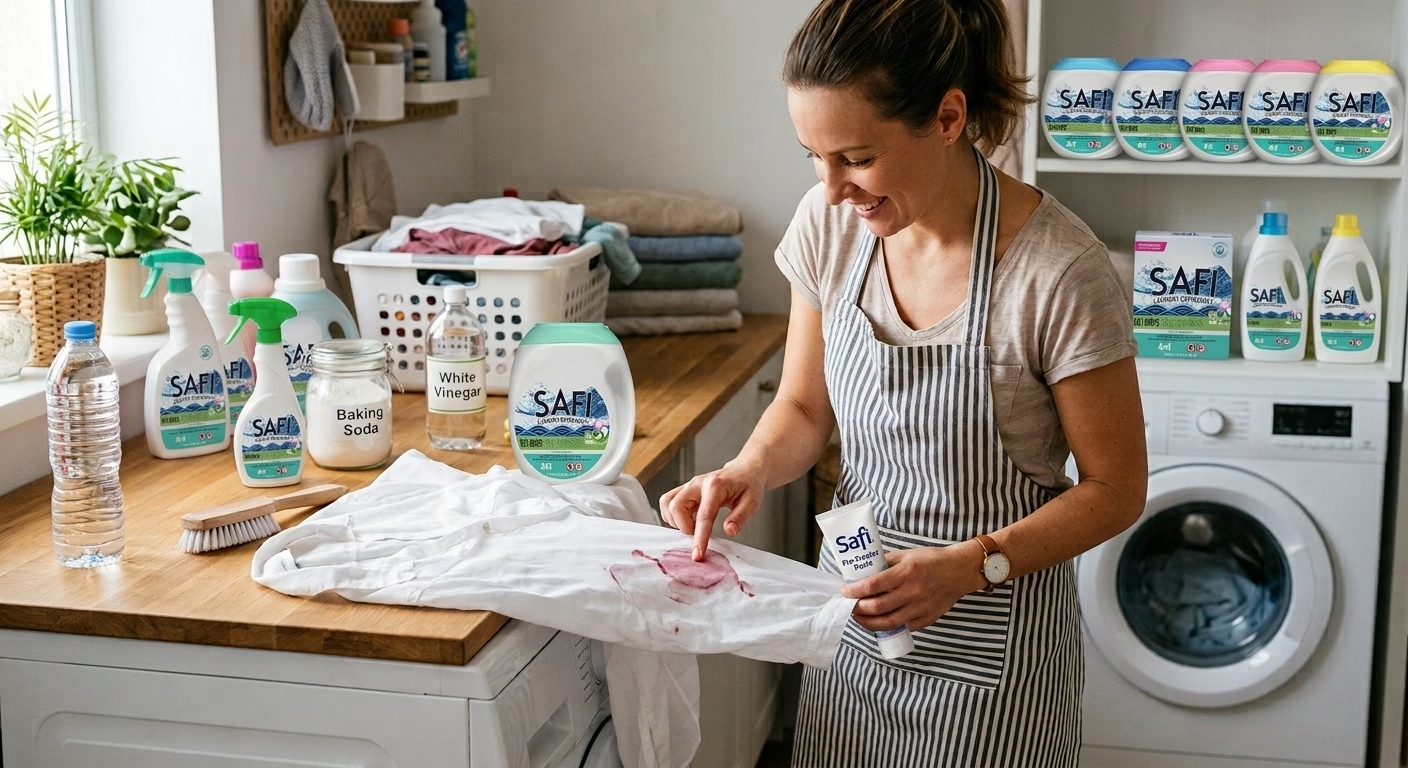
Learning how to remove stains from clothes before they set is the single biggest factor in whether a garment survives the laundry. Blood, grass, wine, and grease all react differently to heat, water, and detergent, so a one-size-fits-all approach to stain removal rarely works. This guide walks through the science of pretreating, a stain-by-stain breakdown for the most common culprits, and the laundry habits that keep stains from becoming permanent in the first place.
Why Timing Matters More Than the Product You Use
Most stains are easiest to remove within the first few hours, before the proteins, tannins, or oils in them bind to fabric fibers. According to the American Cleaning Institute, the general rule is to treat a stain as soon as possible, flush it from the back of the fabric with cold water, and pretreat with a liquid detergent before it ever goes in the dryer. Heat is the enemy of stain removal: drying a stained garment can permanently set it, so always check that a stain is fully gone before running the dryer.
Cold Water vs. Warm Water
Cold water is the safer default for pretreating almost any stain because heat can cook protein-based stains (like blood or egg) directly into the fibers. Once a stain has been pretreated and lifted, you can move to the warmest water setting the fabric care label allows for the actual wash cycle. If you already wash on cold to save energy, our cold water laundry detergent guide covers how to get a full clean without warm water at all.
A Stain-by-Stain Removal Guide
Different stains call for different first moves. Below are the most searched-for stain types and the methods recommended by textile extension researchers.
Blood Stains
Rinse fresh blood in cold water immediately; hot water will set the protein and make it much harder to remove. For dried blood, soak the garment in cold water with an enzyme-based pretreatment before laundering as usual. According to University of Illinois Extension, enzyme detergents are specifically effective on protein stains like blood because they break down the proteins rather than just lifting them.
Grass Stains
Grass stains are a mix of plant proteins and pigment, which is why they resist plain water. Pretreat with an enzyme detergent, work it gently into the fibers with a soft brush, and let it sit for several minutes before washing. If the stain is still visible after washing, an oxygen bleach soak (safe for most colors) usually finishes the job.
Red Wine Stains
Blot, never rub, to avoid spreading the stain further into the fabric. Flush the back of the stain with cold water, apply a small amount of dish soap or liquid detergent, and rinse. If color remains, a diluted hydrogen peroxide solution on a hidden area first, then the stain, often lifts what soap alone cannot.
Grease and Oil Stains
Oil-based stains need a product that can break down fat, not just lift dirt. Apply liquid detergent directly to the stain and let it sit for a few minutes so the surfactants can penetrate the oil before washing on the warmest safe setting. Skip the dryer entirely until you have confirmed the grease mark is gone, since heat will bond any remaining oil to the fabric.
Sweat and Deodorant Stains
Yellowing underarm stains are usually a combination of sweat salts and antiperspirant residue. A pretreat soak in a mix of water and liquid detergent, followed by a normal wash, resolves most fresh stains, while set-in yellowing may need several treatment cycles.
How the Right Detergent Prevents Stains From Setting
Pretreating matters, but the detergent used in the actual wash cycle does most of the long-term work. Look for a formula with enzymes that specifically target protein, starch, and oil-based residue, since these are the building blocks of most common stains. Using too little detergent is one of the most common reasons stains and odors linger after a full wash cycle; our guide on how many laundry pods to use breaks down the right dose for your load size and water hardness.
Safi laundry pods are formulated with a stain-fighting enzyme blend and pre-measured doses, so there is no guessing about how much detergent a load actually needs. That consistency matters for stain removal specifically, since underdosing is a frequent, avoidable cause of stains that survive a full wash.
Laundry Habits That Prevent Stains in the First Place
- Sort before you wash. Mixing heavily soiled items with lightly soiled ones can redeposit dirt and grease onto cleaner clothes.
- Do not overload the washer. Overloaded machines cannot agitate properly, which leaves detergent unable to reach every stained area.
- Check pockets and seams. Pens, food wrappers, and makeup are common hidden stain sources that get missed until it is too late.
- Use the right amount of detergent. Too little leaves residue behind; too much can leave a film that actually traps dirt over time.
For a broader rundown of habits that damage clothes over time, see our post on 10 common laundry mistakes and how to fix them.
Frequently Asked Questions
What is the best way to remove a stain you cannot identify?
Flush the area with cold water from the back of the fabric, then apply a liquid detergent directly and let it sit for a few minutes before washing. Cold water and a general-purpose enzyme detergent are safe first steps for nearly any unknown stain and will not set most stain types further.
Does hot water remove stains better than cold water?
Not for most stains. Hot water can permanently set protein-based stains like blood, egg, and dairy, and it can also set the color in wine or grass stains. Cold water is the safer default for pretreating, with warmer water reserved for the actual wash cycle once the stain has already been lifted.
Why does a stain reappear after the clothes have dried?
This usually means the stain was not fully removed before drying, and the dryer’s heat set the remaining residue into the fibers. Always inspect a stained area in good light before drying, and repeat the pretreatment and wash cycle if any trace remains.
Can laundry pods remove old, set-in stains?
Enzyme-based pods can help lift older stains, especially with a longer soak and an extra treatment cycle, but very old or heat-set stains may never fully release. The best results come from treating stains as soon as they happen rather than relying on any single product to reverse months-old damage.
Get Stains Out the First Time
Knowing how to remove stains from clothes comes down to two things: acting fast with cold water, and washing with a detergent that has the enzyme power to finish the job. Safi laundry pods are pre-measured with a stain-fighting enzyme blend built for exactly this kind of everyday laundry problem. Shop Safi laundry pods and stop letting stubborn stains win.